01
Community health
We understand community health as a way of working that goes beyond just providing immediate care.
We put people, communities and collaboration with local professionals at the center, with the aim of generating real and sustainable improvements over time.
We work to strengthen local health care and promote interventions that help prevent, detect, and address common health problems from a comprehensive and locally rooted perspective.
That is why we combine healthcare interventions, early detection actions and basic monitoring measures, always in coordination with the resources available on the ground.
It is not just about intervening in response to an immediate need, but also about contributing to strengthening local capacities and fostering a more accessible, preventive, and humane health response.
Healthcare attention
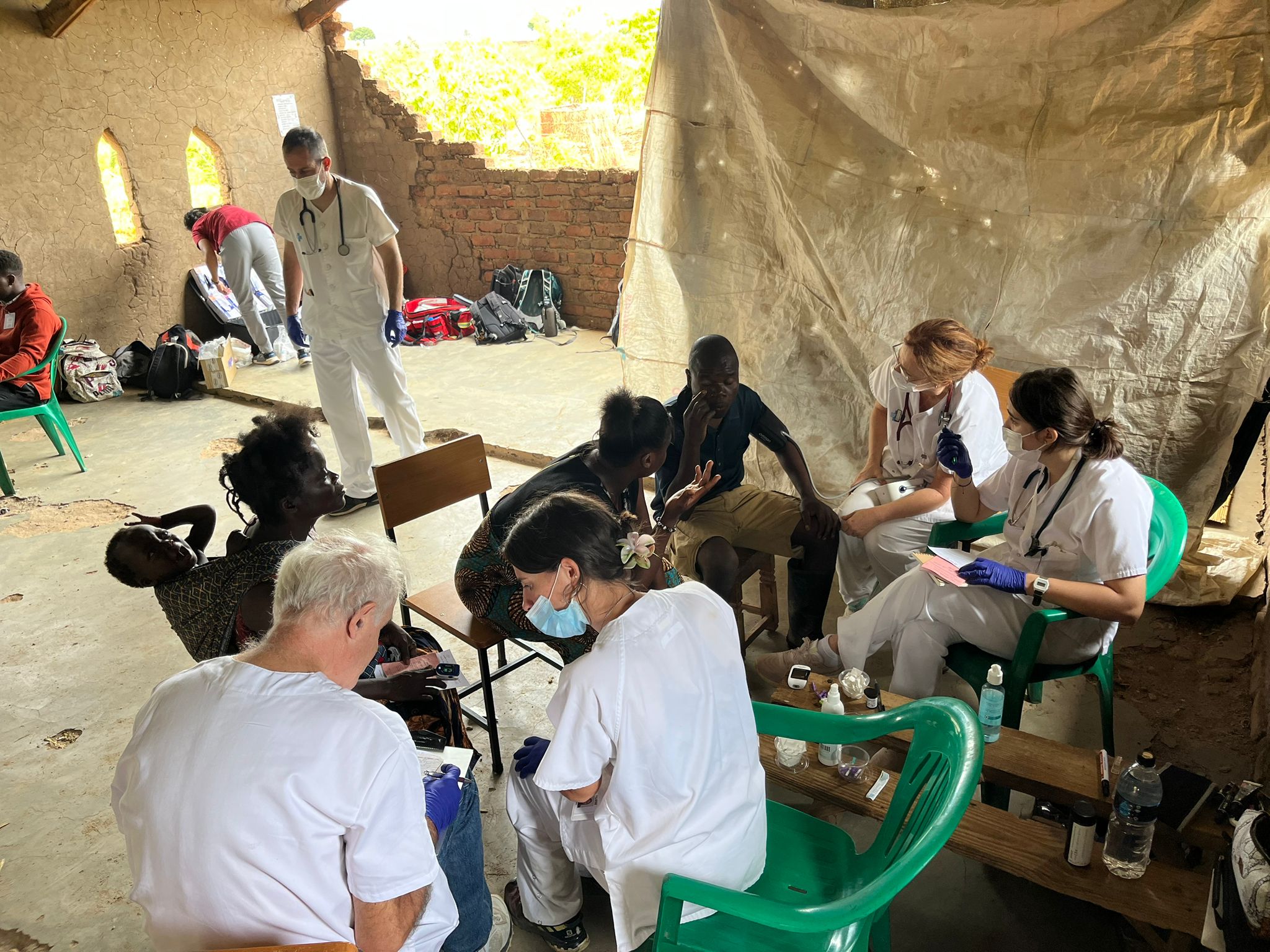
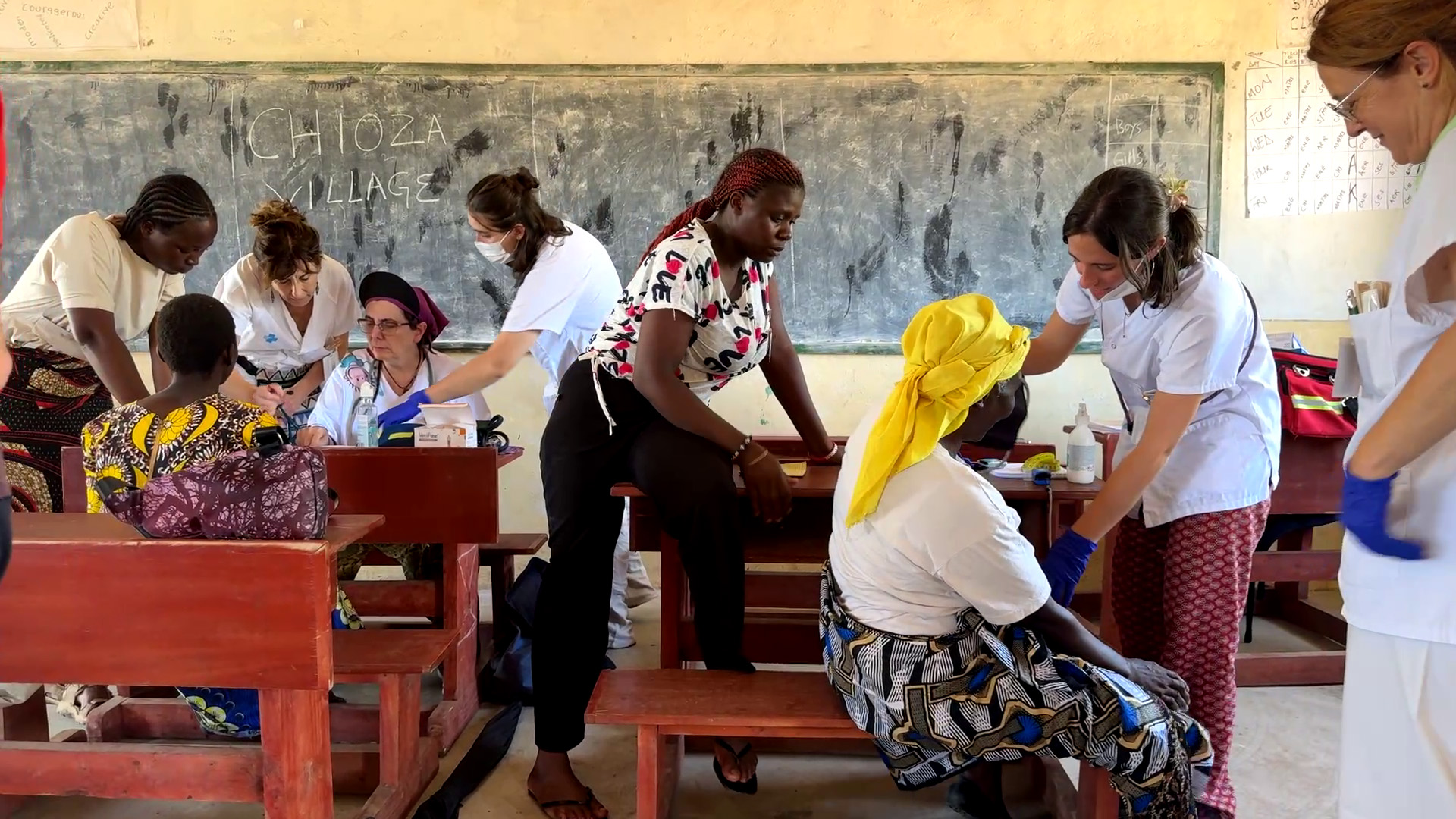
We are promoting healthcare interventions in health centers and in the community to address frequent health needs, especially among the most vulnerable populations.
This support is always planned in coordination with local professionals and adapted to the available resources.
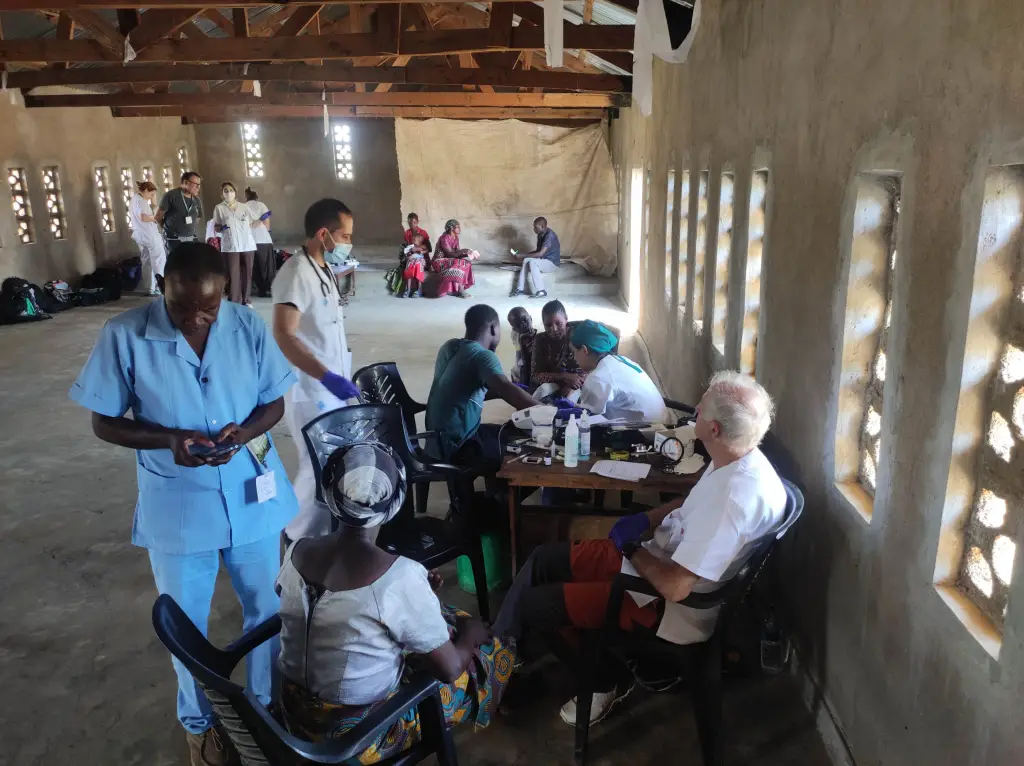
Screening and diagnosis
We promote early detection actions to identify health problems that, without timely evaluation, can worsen or go unnoticed.
Screening allows for prioritizing cases, guiding follow-up, and facilitating a more effective response on the ground.
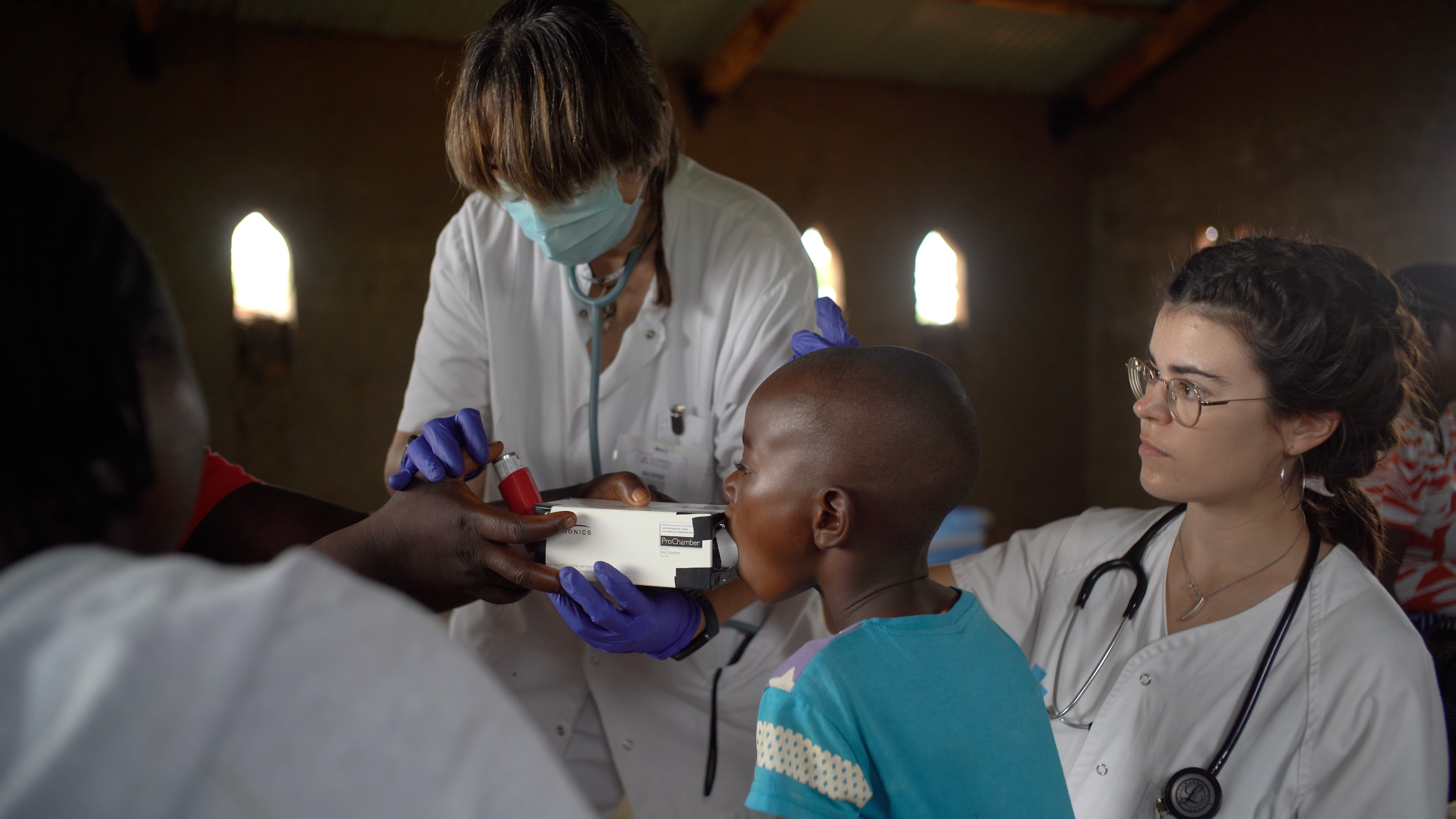
Basic treatment
We support the initial treatment of common pathologies and access to basic care measures that can immediately improve the health and well-being of many people.
This type of intervention is particularly relevant in contexts with limited resources.
02
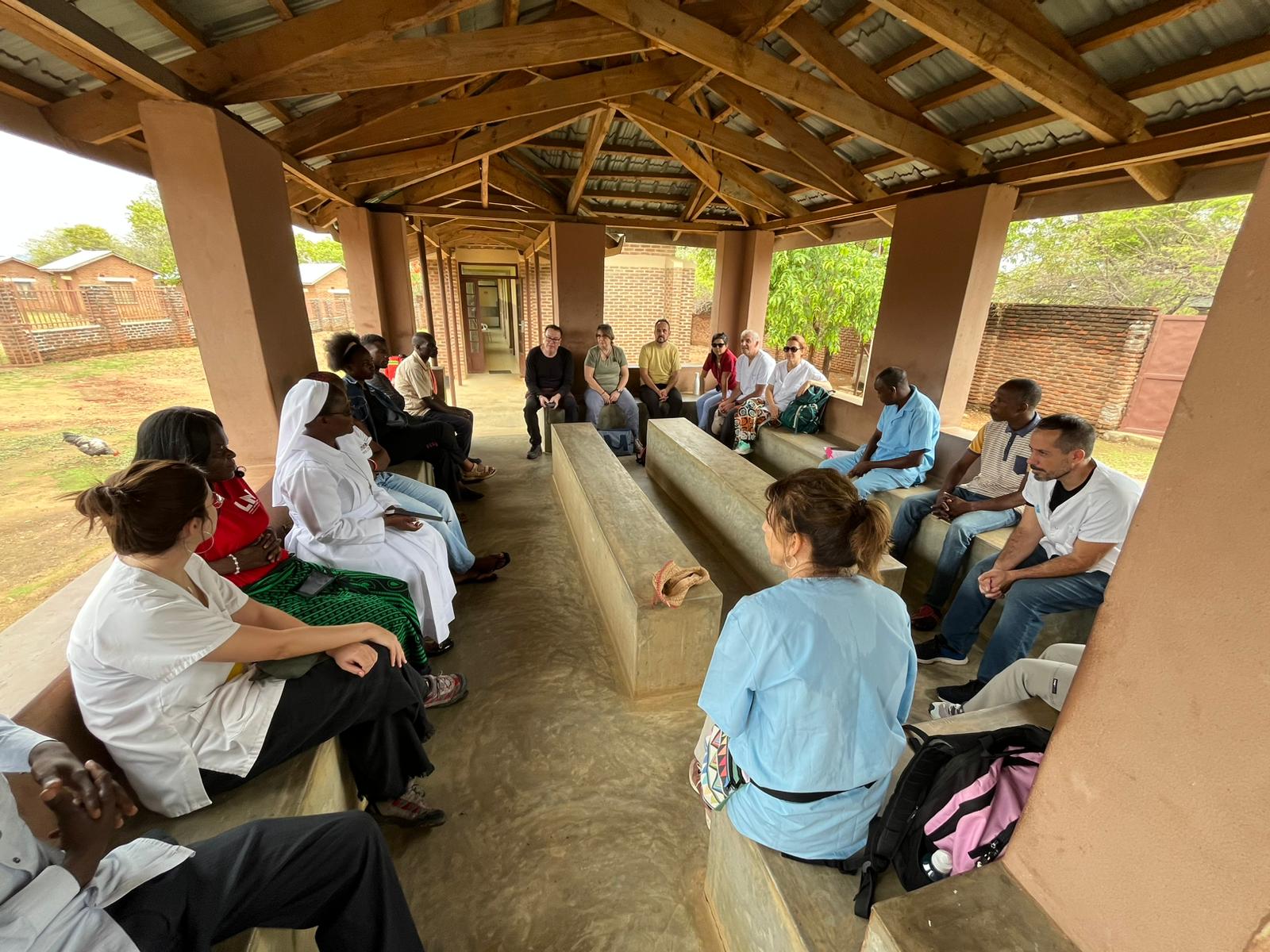
Local cooperation and training
Cooperation is more useful when it generates tools, criteria, and learnings that can continue to be active beyond each mission.
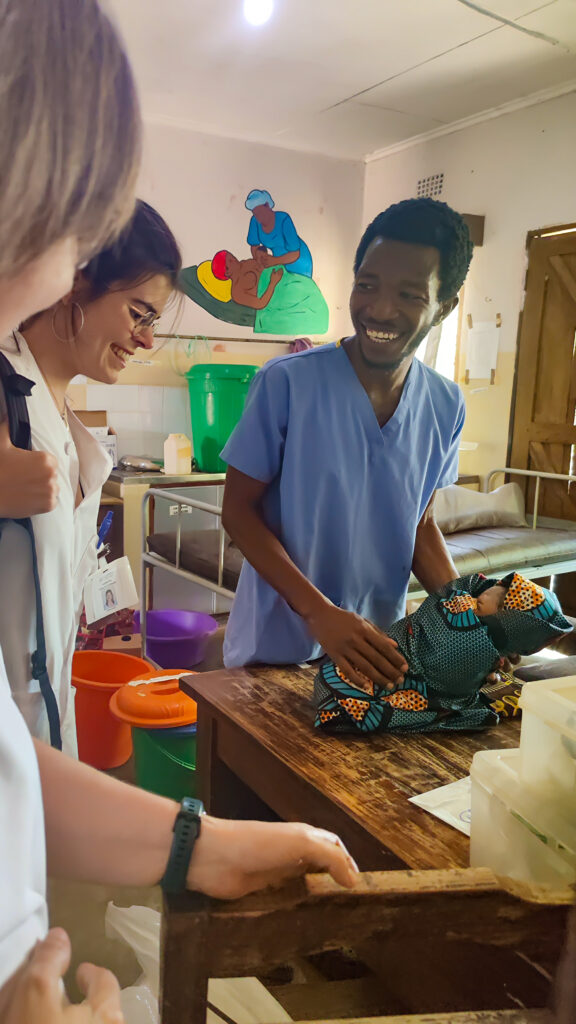
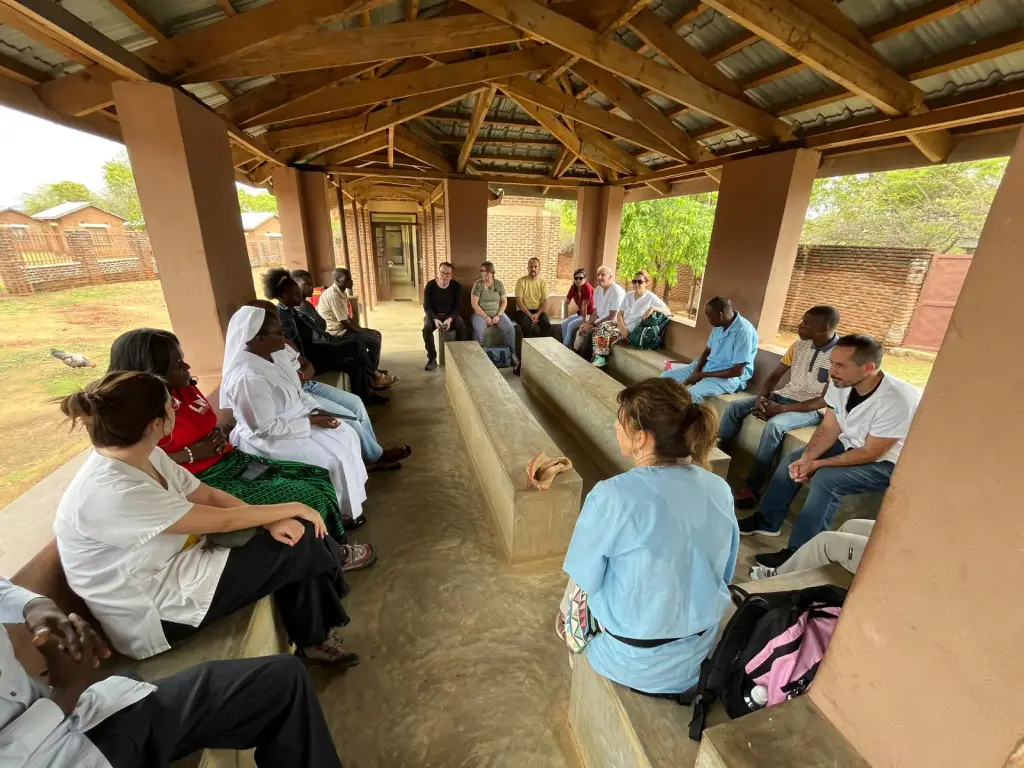
We work hand in hand with local healthcare professionals to strengthen capacities, share experience, and promote an healthcare practice adapted to the context.
Training and professional exchange are part of the same process: listening, adapting, and building useful knowledge with the teams in the territory.
The goal is not to transfer external models, but to contribute to strengthening human resources and practices that respond to real needs.
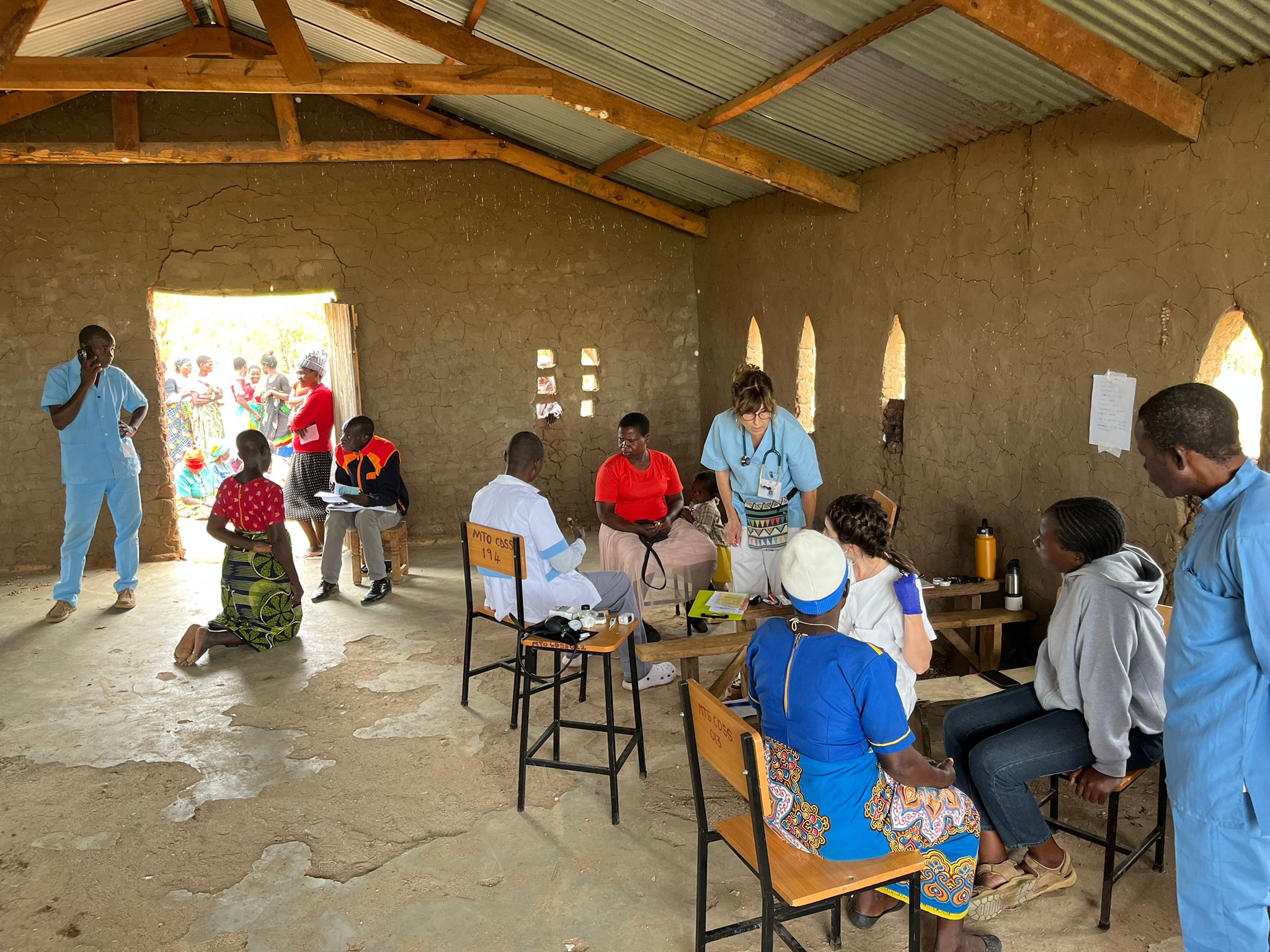
Exchange of knowledge
We understand cooperation as a learning process in two directions. We share experiences, criteria and ways of doing things, but we also learn from the reality, the practice and the responsiveness of the professionals in the territory.
Clinical training
We promote spaces of practical training aimed at improving care, updating knowledge, and strengthening clinical safety in daily healthcare practices. The training is always designed with a focus on real utility and adaptation to available resources.
03
Education and health prevention
We promote awareness-raising and health education actions that help strengthen health from the grassroots level.
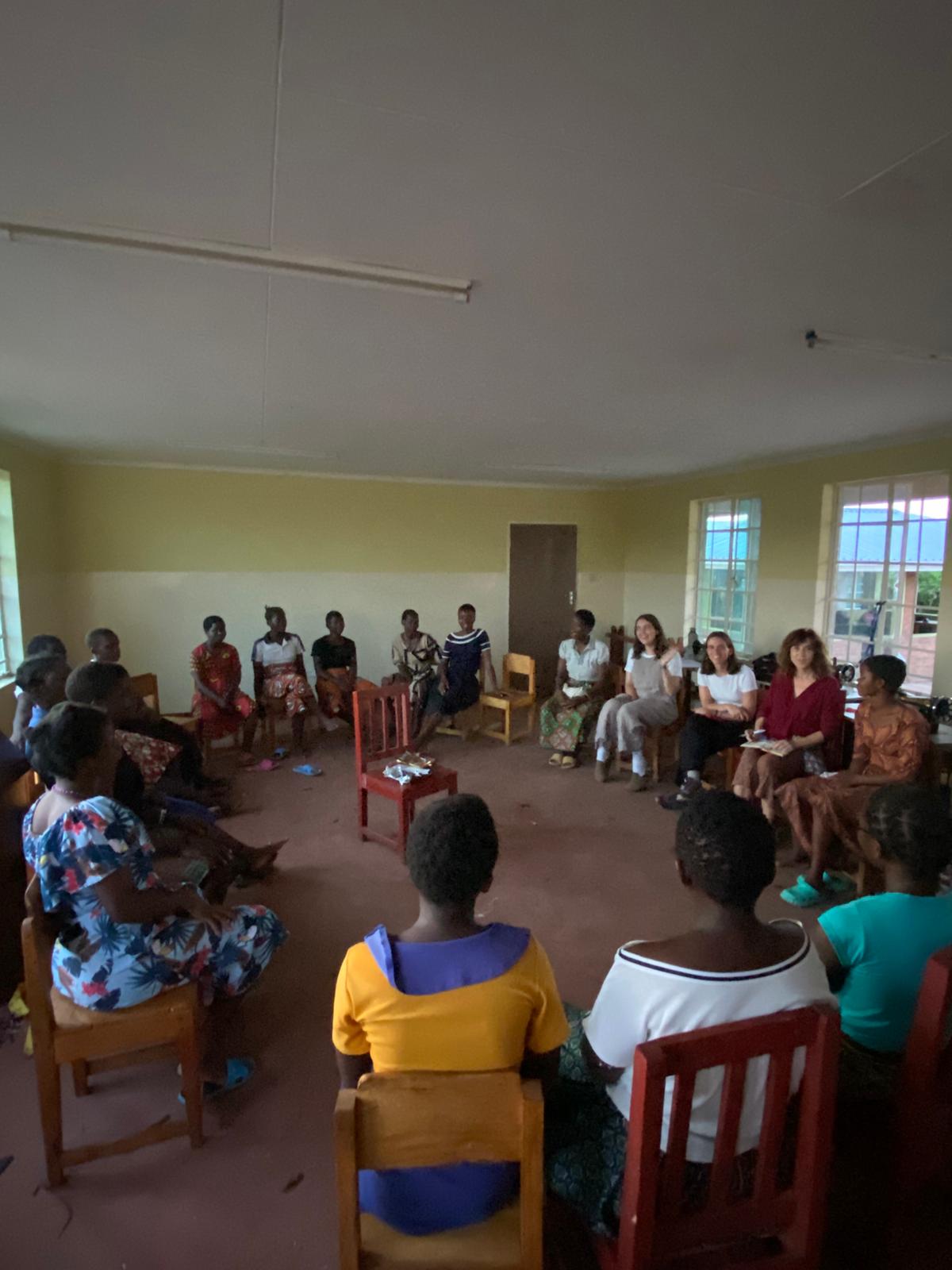
Education and health prevention are key tools to reduce risks, promote healthy habits and improve the community’s ability to respond to common health problems.
This project focuses on sharing useful and context-adapted knowledge to favor more informed decisions in the family, school, and community context.
Beyond immediate attention, prevention allows us to anticipate needs and strengthen self-care through understandable and practical messages.
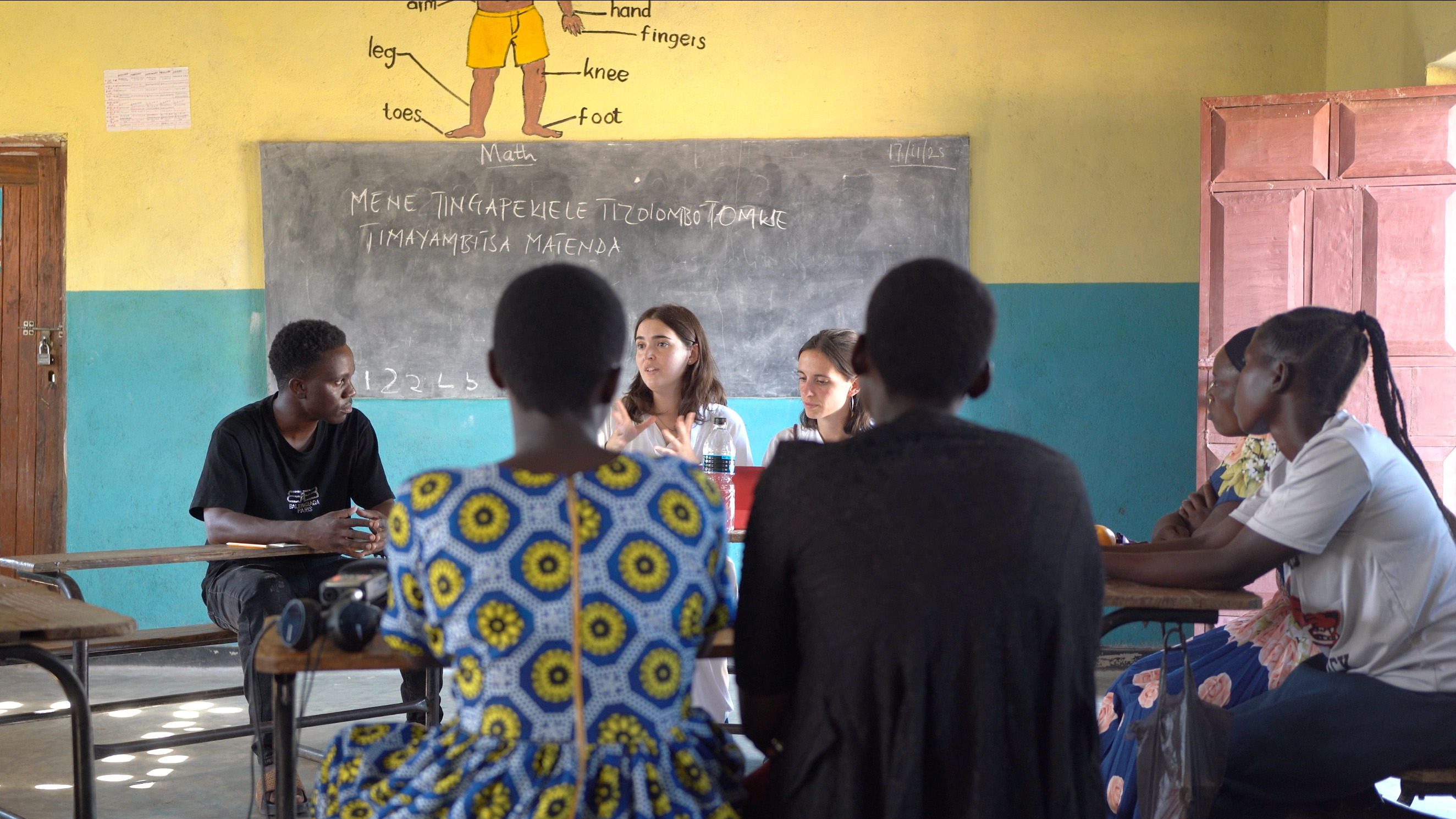
School health
We promote awareness-raising and prevention actions in educational environments to promote healthy habits from childhood and detect needs that may affect the well-being and learning of children.
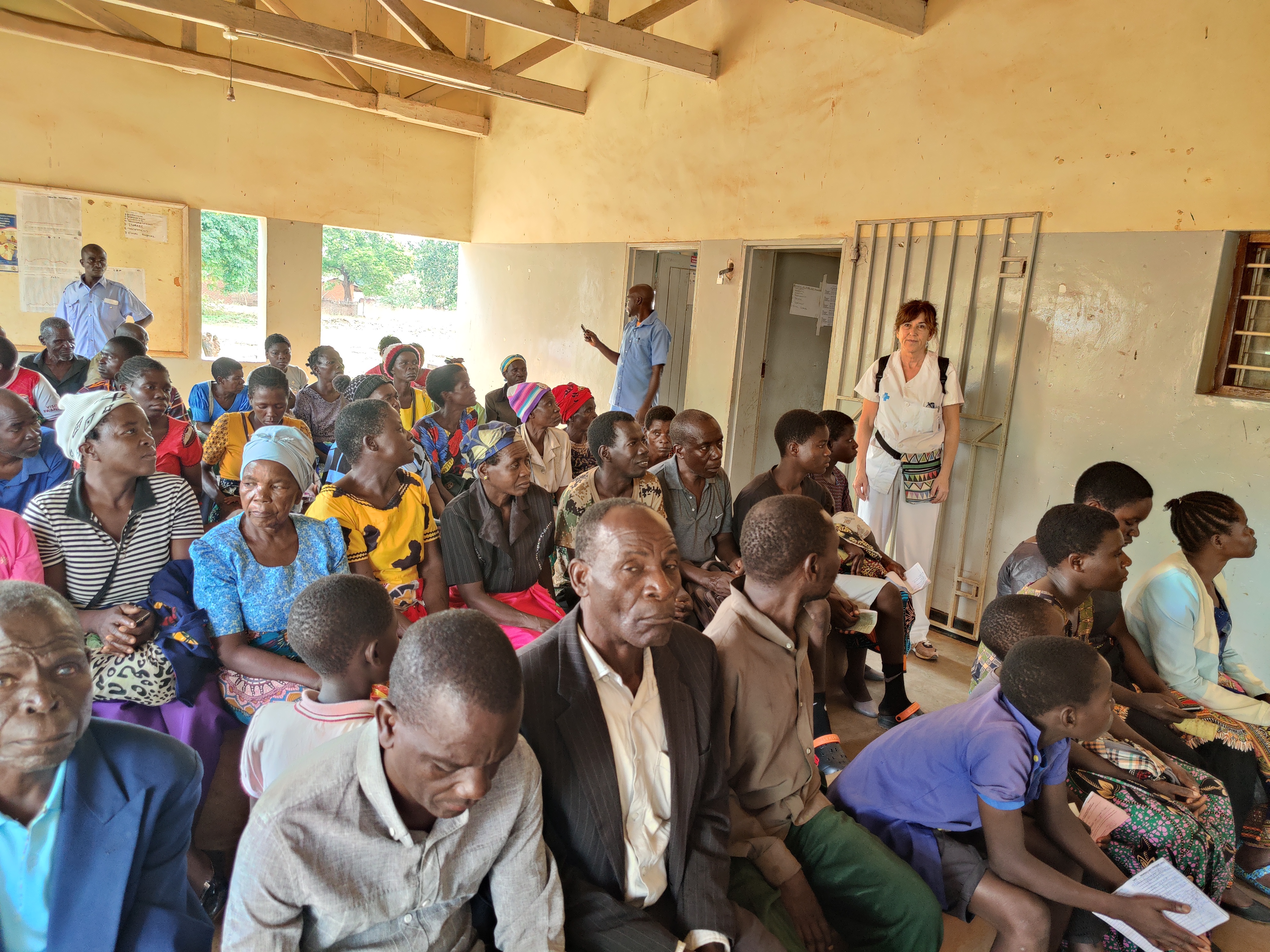
Community health education
We share basic health promotion content adapted to the local reality so that families and communities have more tools to prevent diseases, identify warning signs, and promote daily care practices.