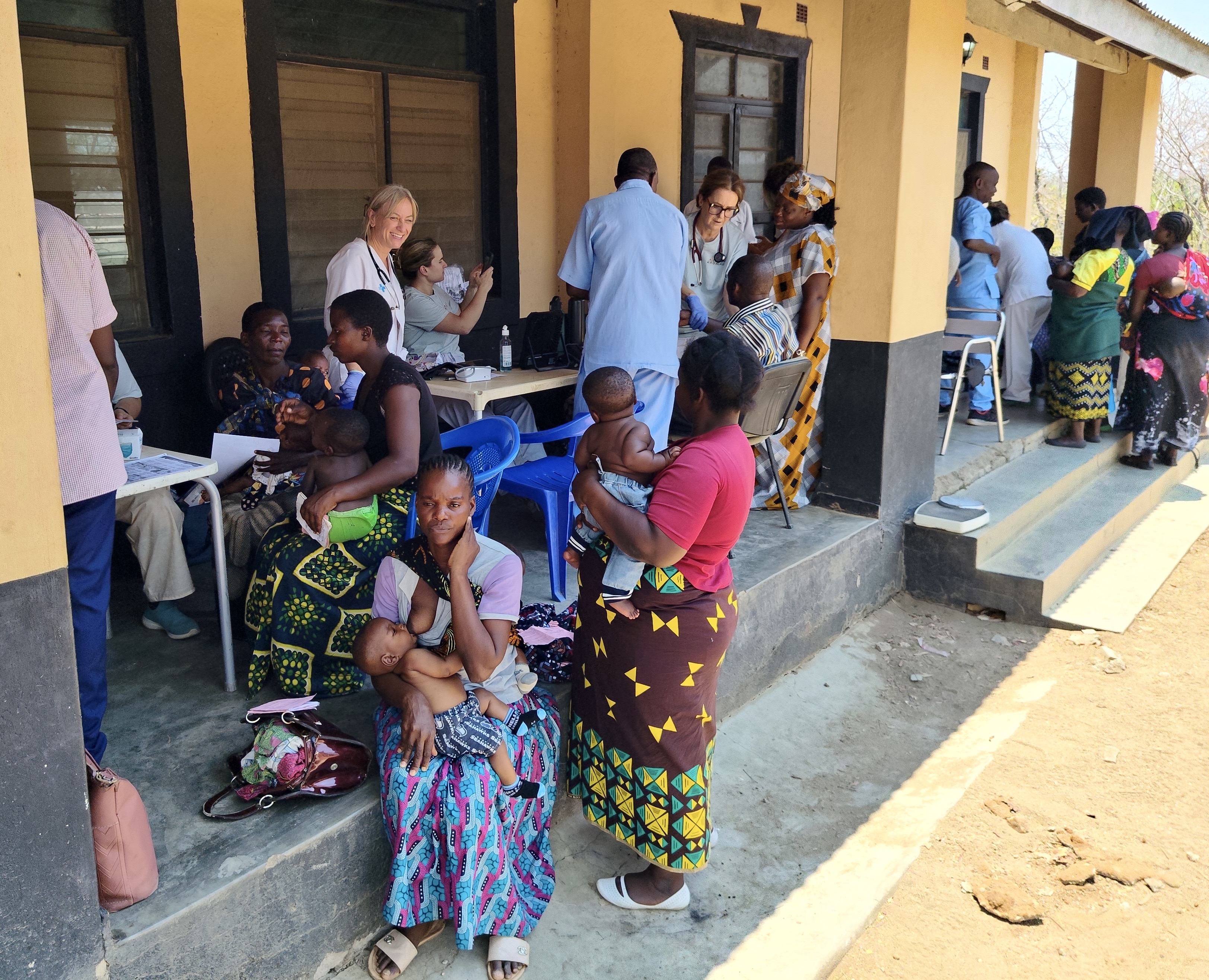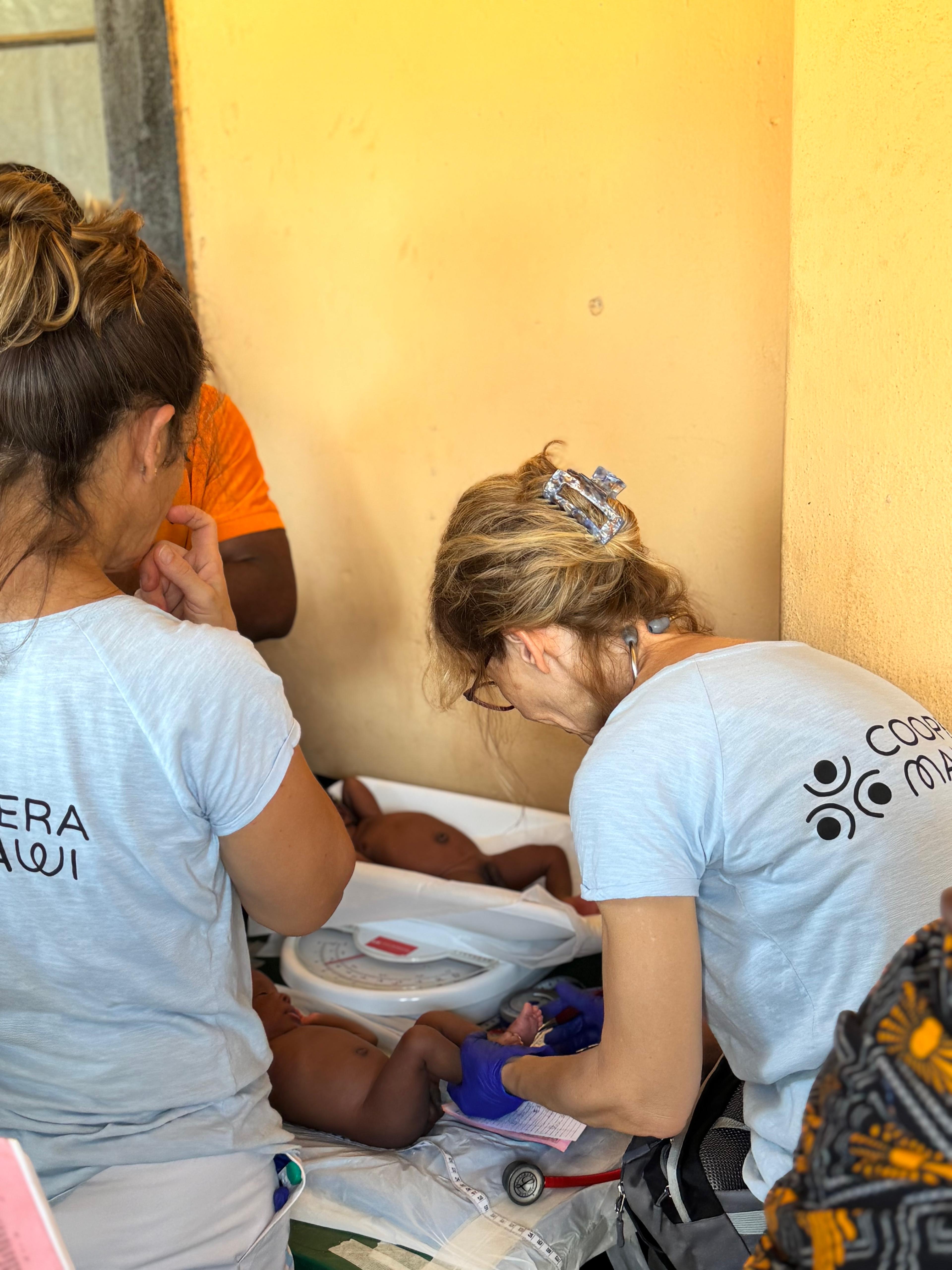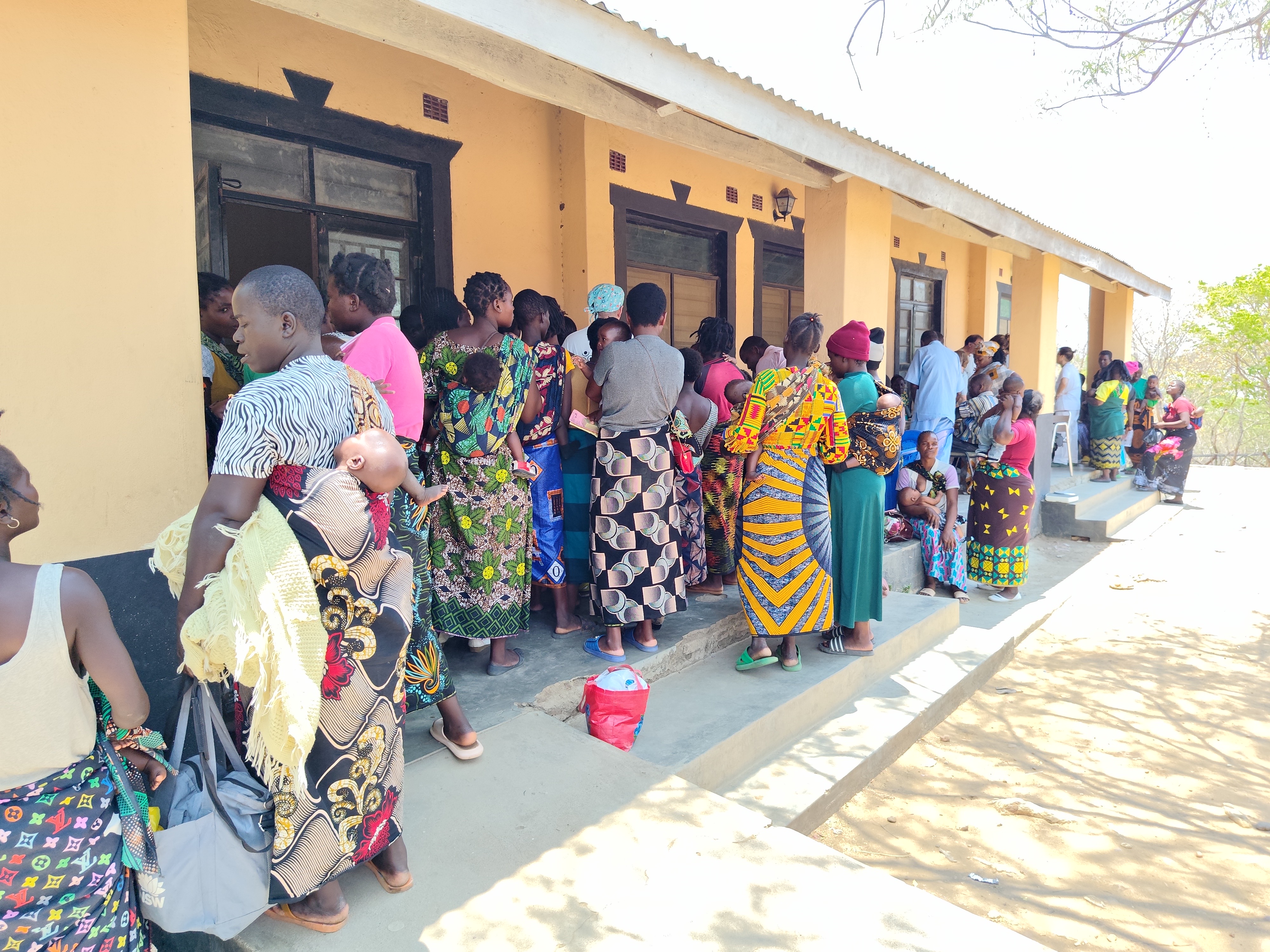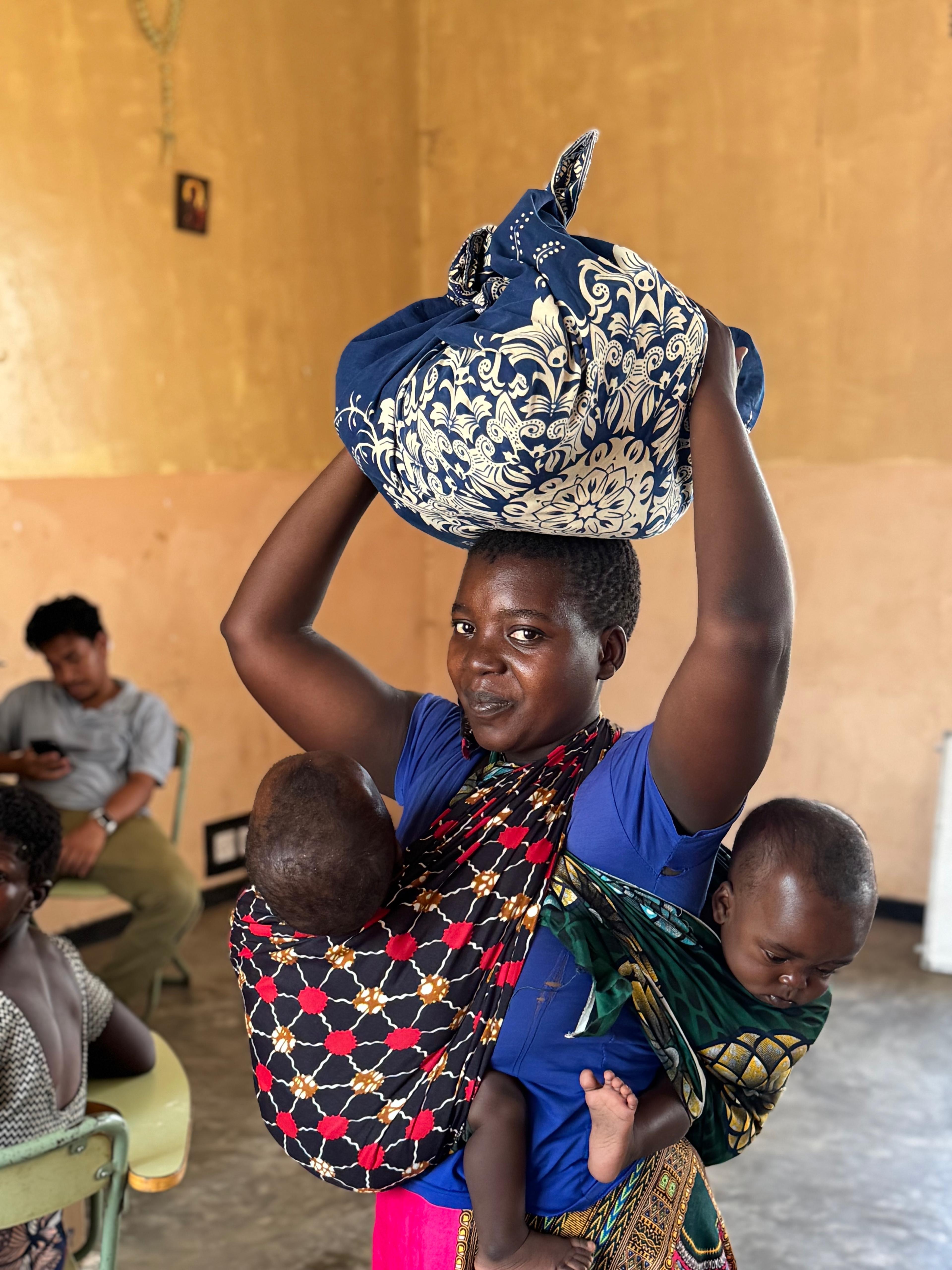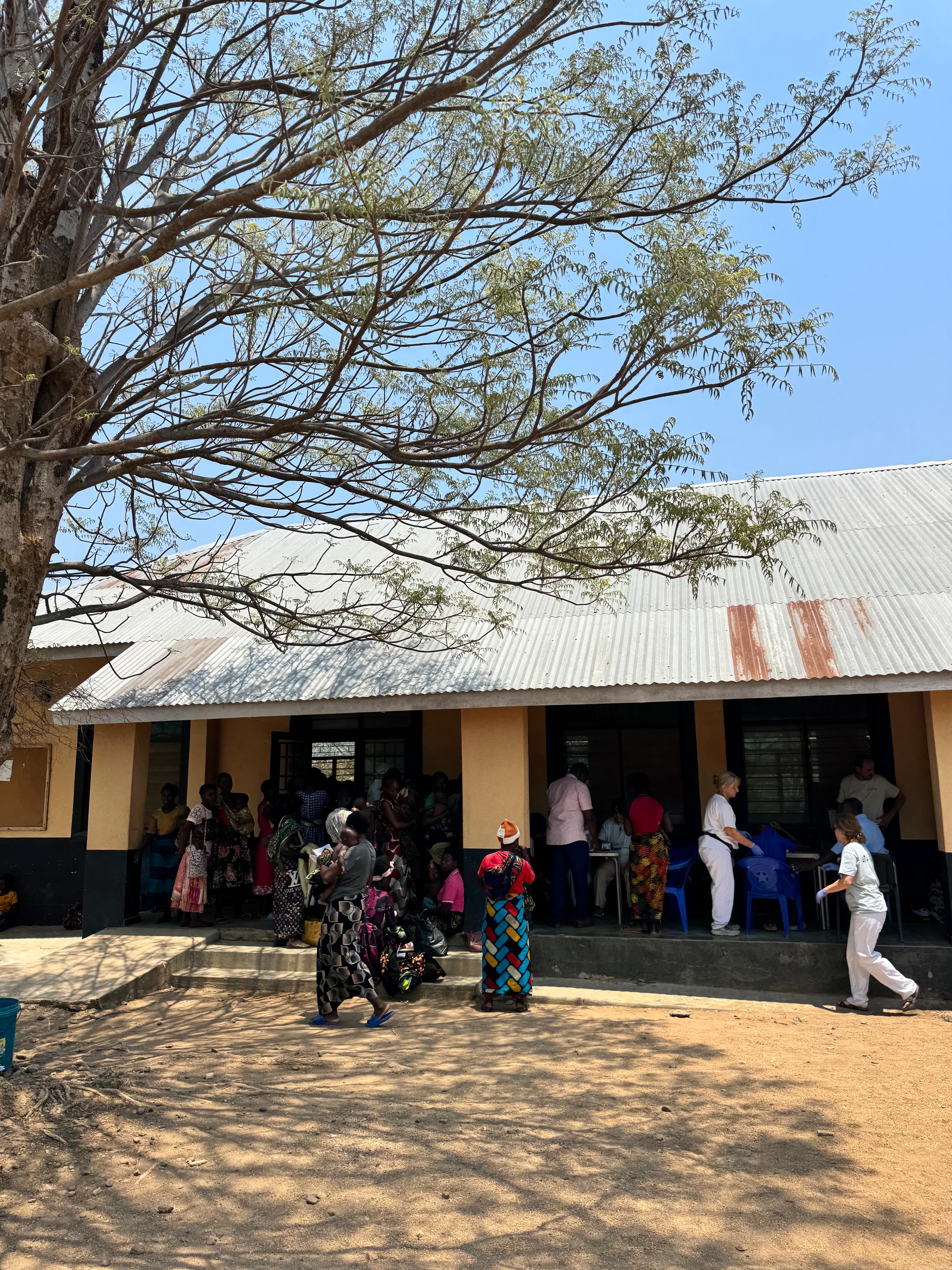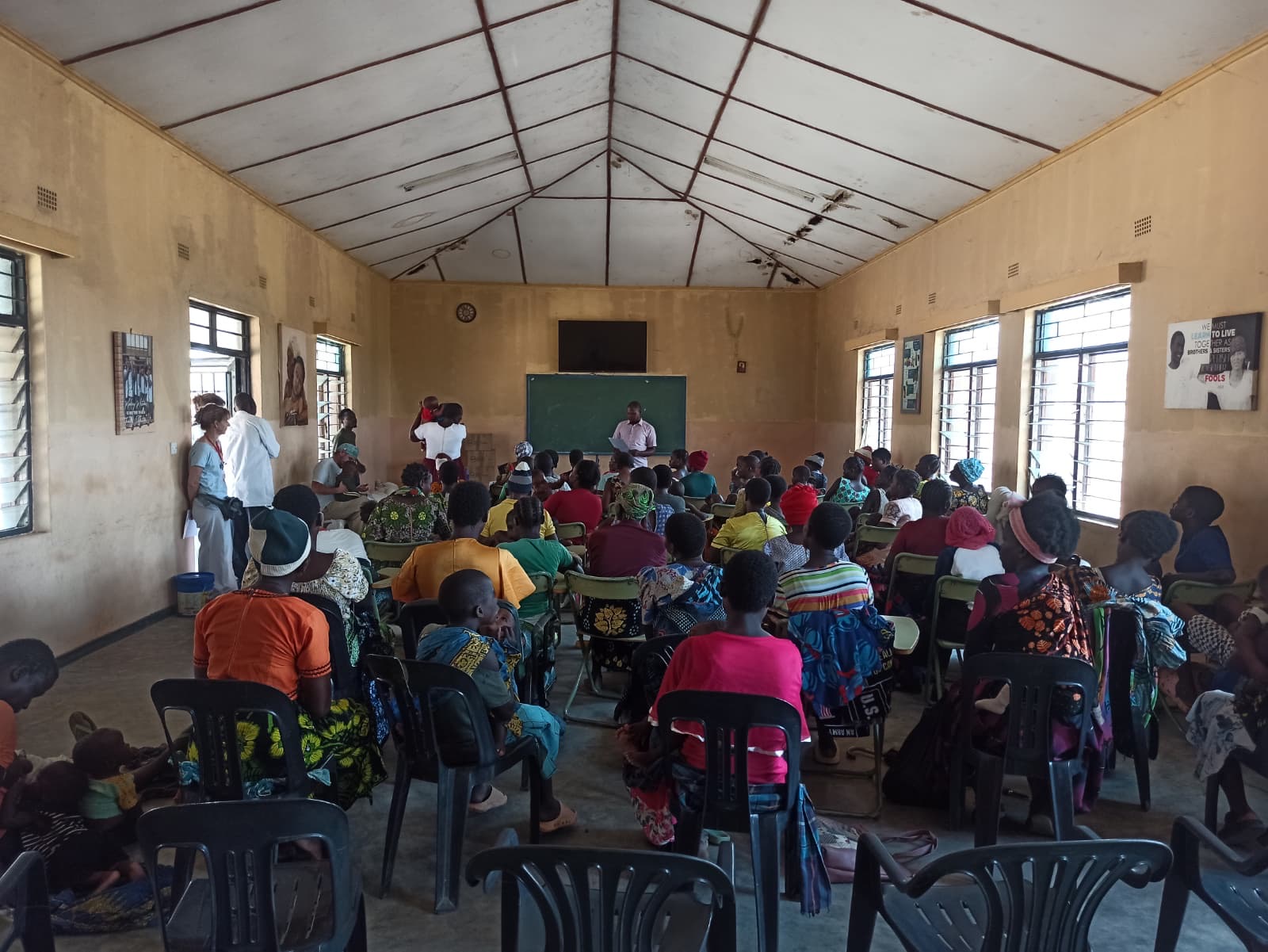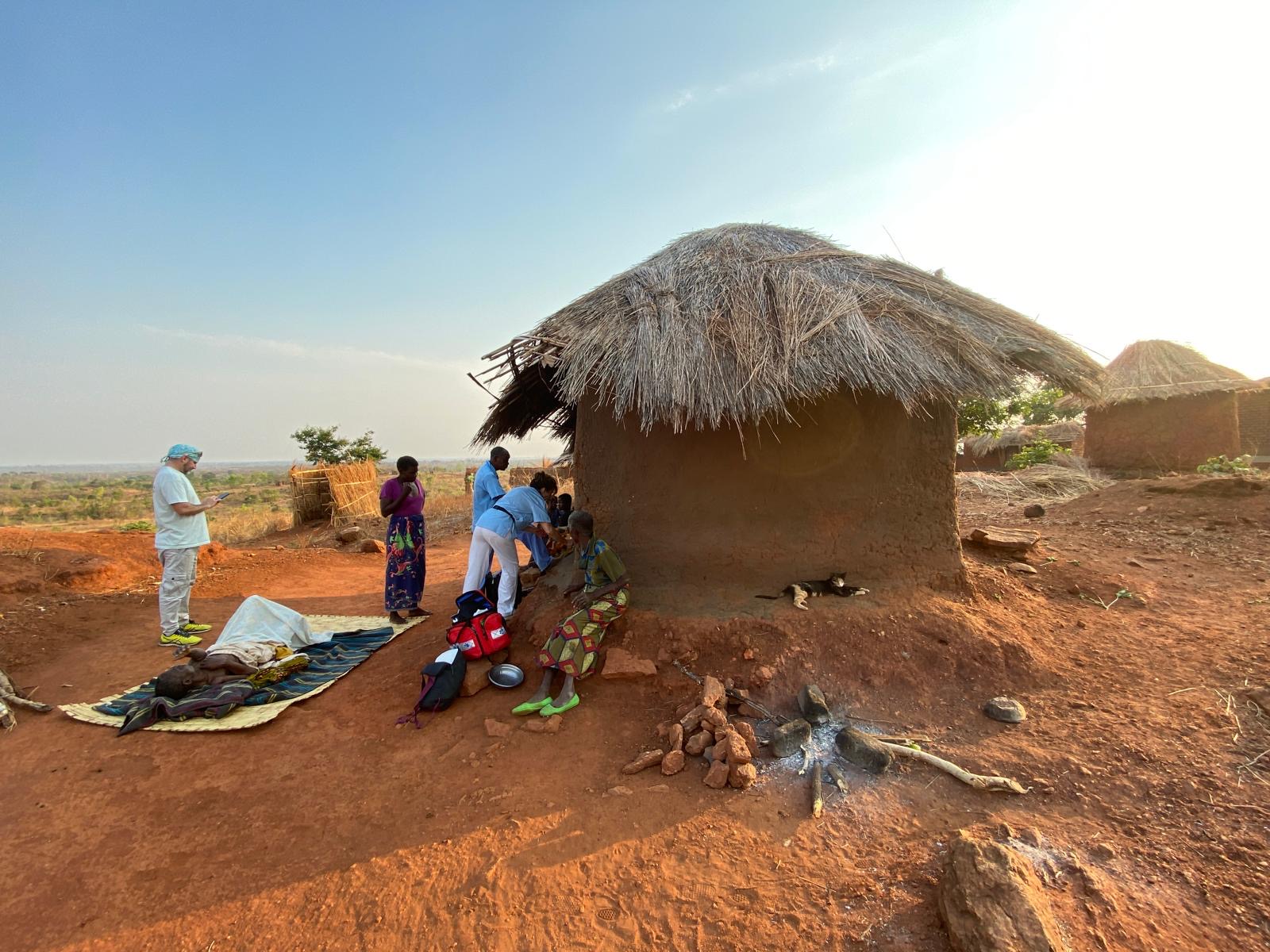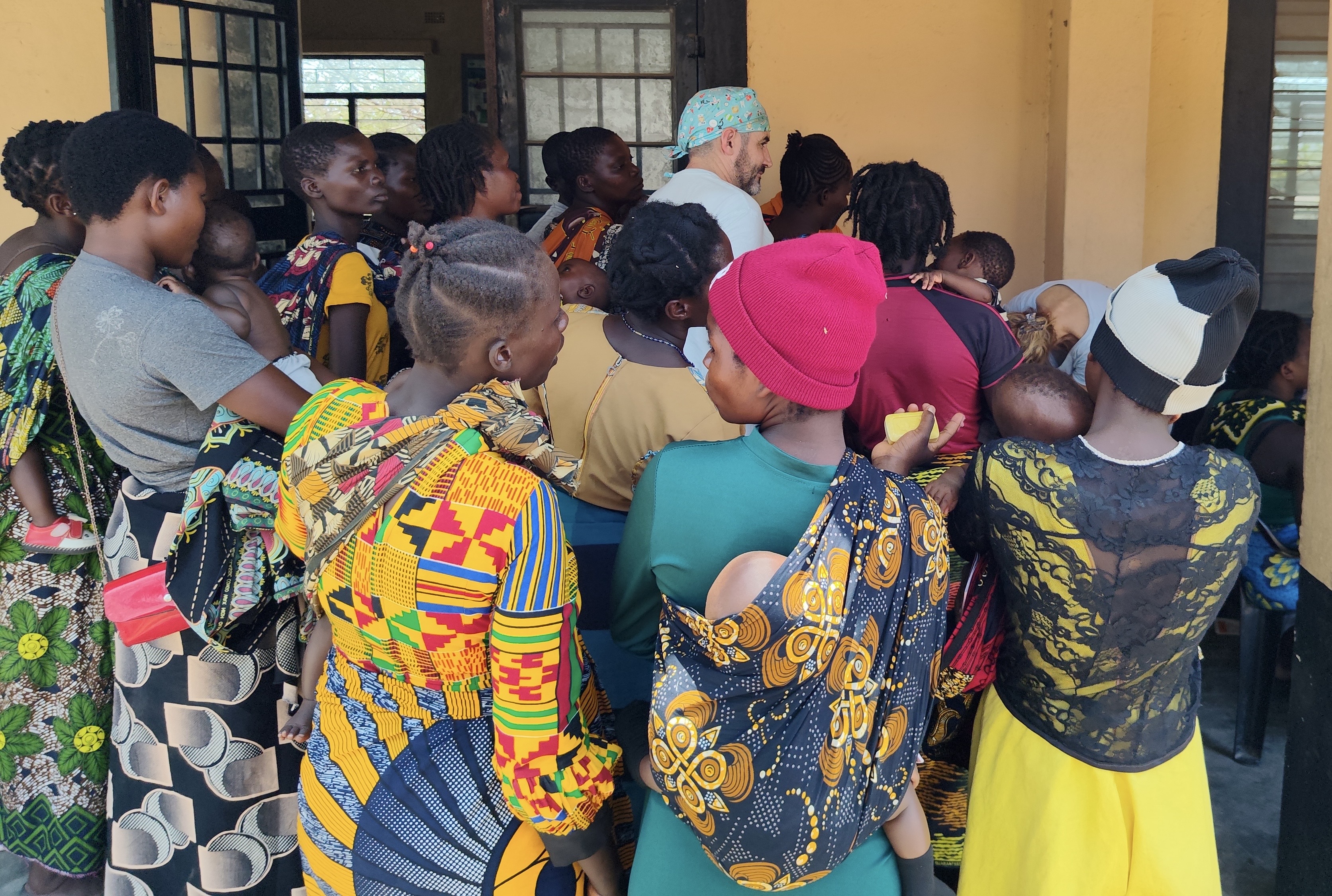
Today, part of the team has changed the usual consultations for a different activity: to accompany a distribution of milk intended for families with greater needs, Especially in cases of multiple births and orphaned children.
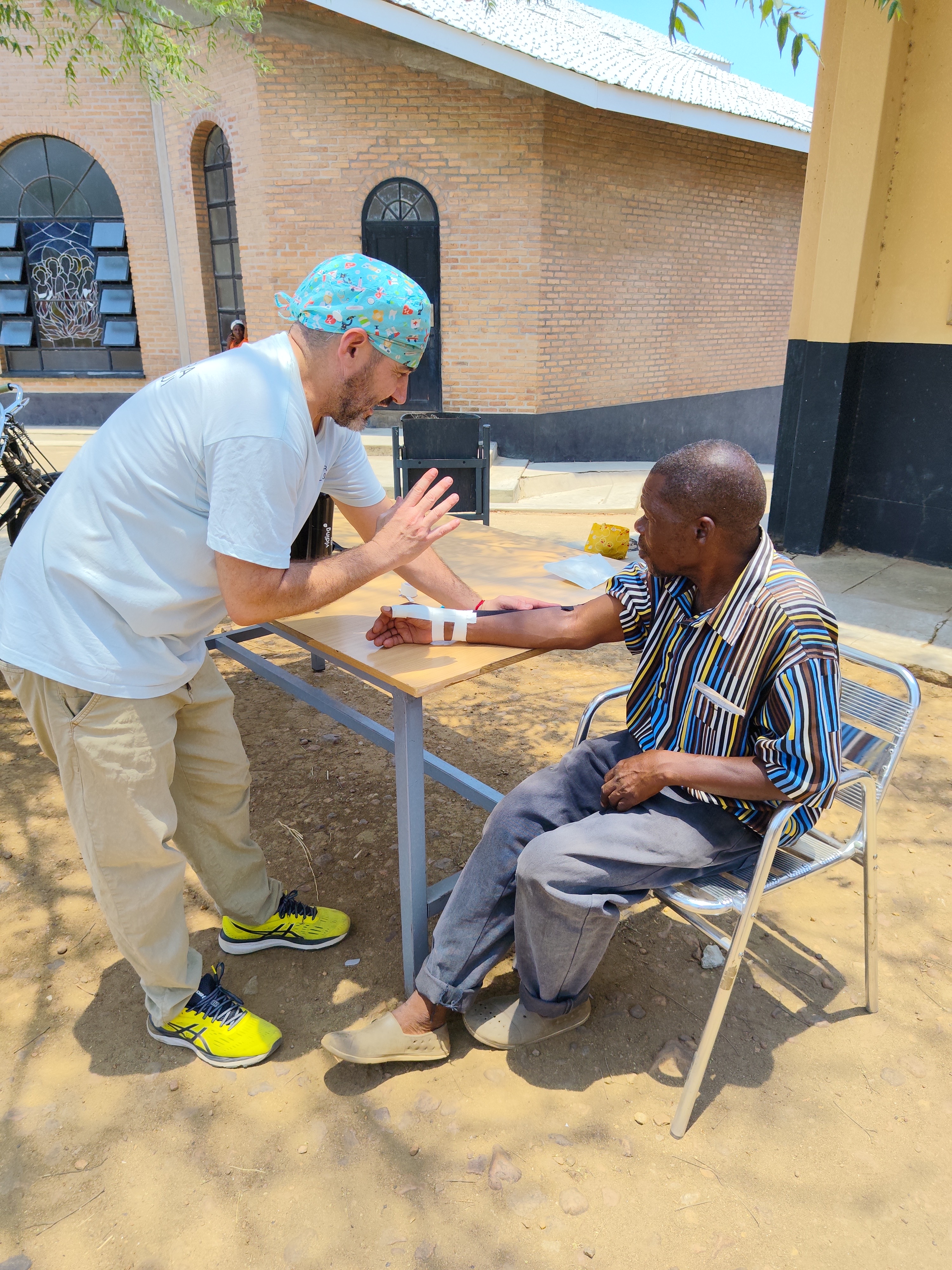
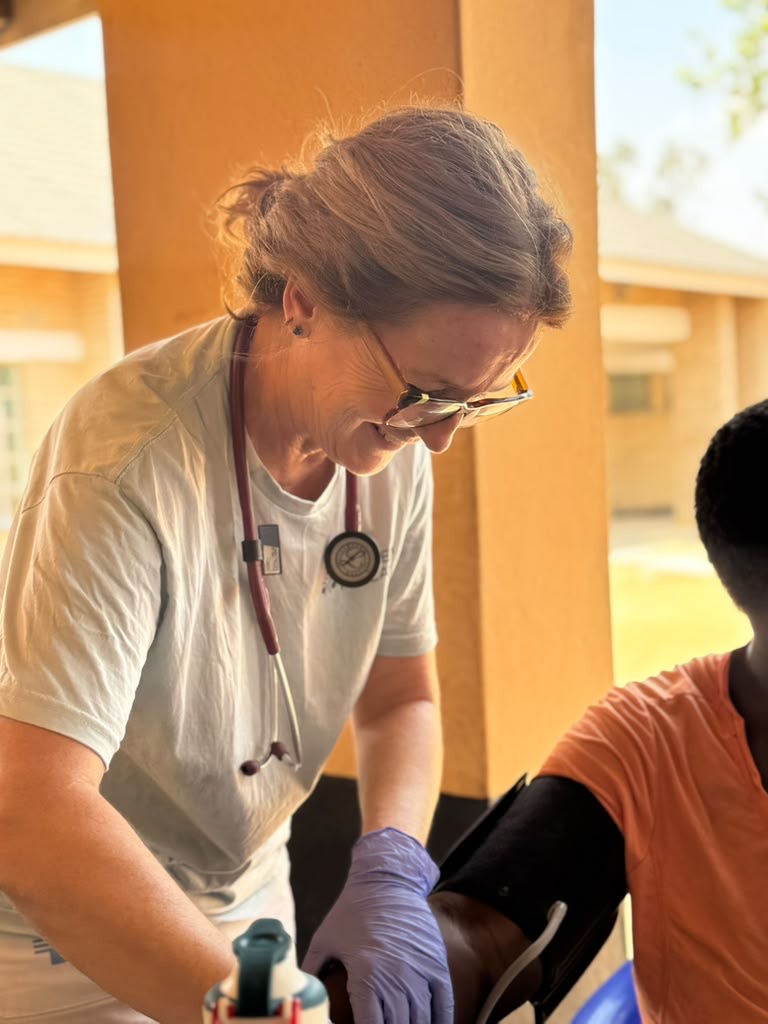
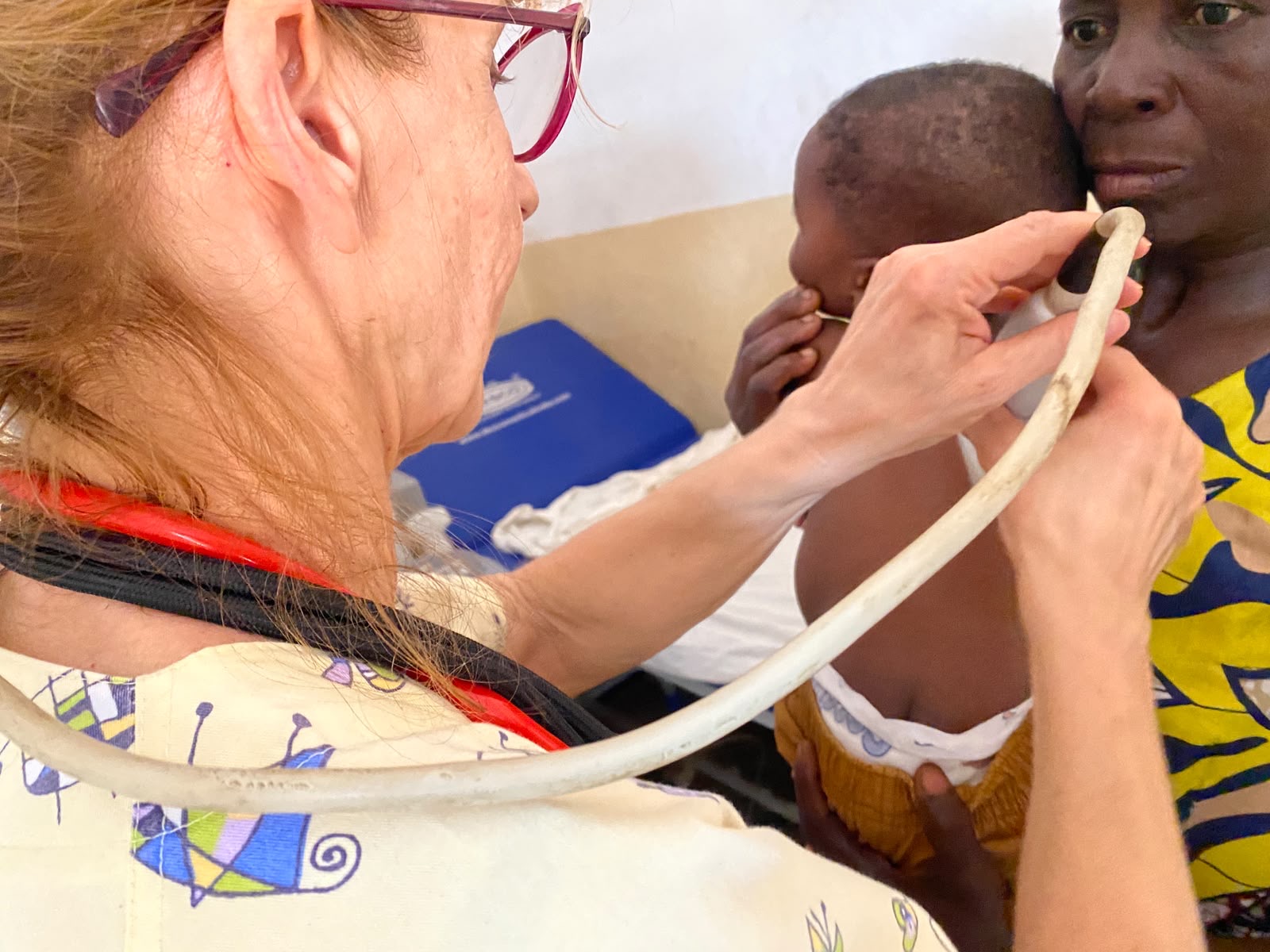
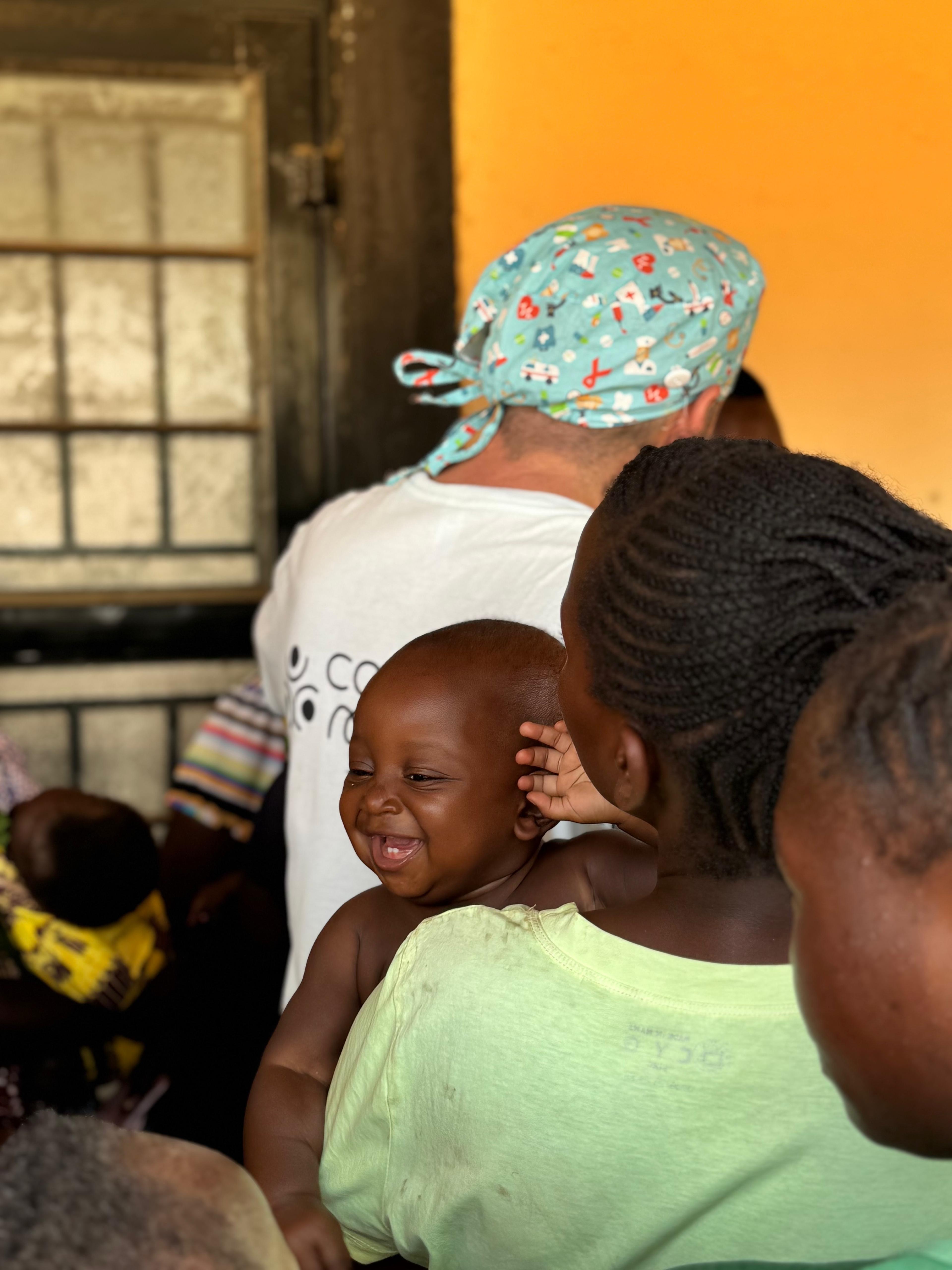
Before starting the distribution, the healthcare team took the opportunity to carry out a check-up on both the children and the mothers.
In adults, mainly a blood pressure screening and a general assessment have been carried out. With the children, the visits have taken longer and have allowed for the detection of some health problems, but also a problem that has appeared again and again during the day: Many doubts about infant nutrition.
When the problem isn't just about having milk
By talking with the mothers, the team has detected an interesting situation.
Despite knowing the importance of breastfeeding, some families still asked for artificial milk even when the infants were well nourished, with the perception that formula could be better. But there was an even more important issue: How to prepare it properly?
When the team asked how much water they used or how much milk they added, there was often no exact measurement. The preparation was done roughly and, in some cases, without having the appropriate utensils to measure the quantities.
The intervention has also become a small health education session: reinforcing the importance of breastfeeding, explaining when it may be necessary to supplement it, and talking about how to properly prepare the milk when it is necessary to use it.
Feeding the mother is also feeding the child
During the visits, a phrase appeared repeatedly: “I have little milk.”
And this has allowed us to focus on mothers as well.
The team has talked with them about the importance of their own nutrition during the first months and, later on, about how to enrich the children’s diet using the resources available at home.
Here is where a day that had started as a review before a milk distribution ended up pointing to a very specific need: Not only do we need resources; we also need information to be able to use them properly.
And this is precisely one of the important lessons of working on the ground. Sometimes the impact is not just about giving, diagnosing, or treating. It is also listening, detecting a problem and transforming it into prevention and knowledge that can be shared within the community.